Completed
Public sanitation for indigenous community Kwamalasamutu
Six public bathroom locations delivered or repaired in Kwamalasamutu, together with water and hygiene infrastructure, a maintenance plan and paid work for local building teams.
- When
- August 2025 – June 2026
- Where
- Kwamalasamutu, Sipaliwini
- Themes
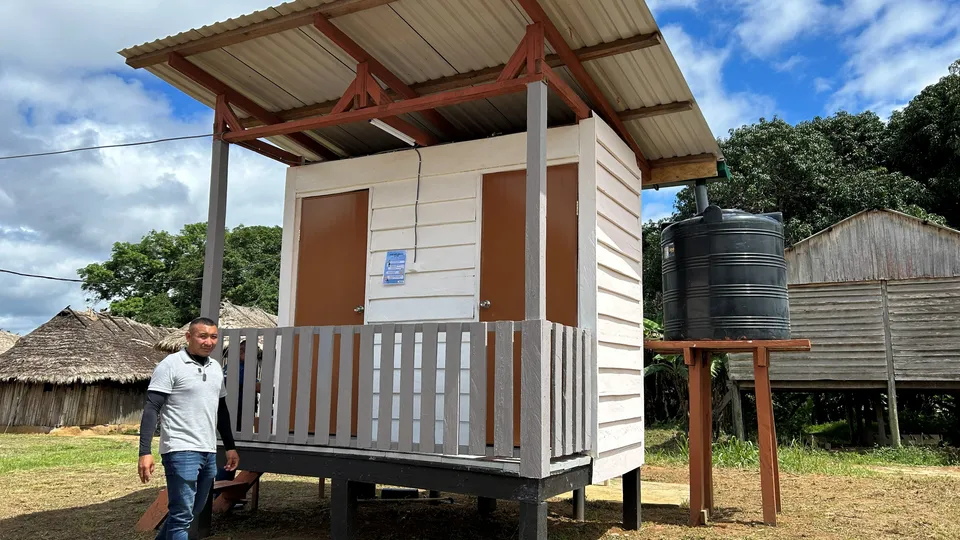
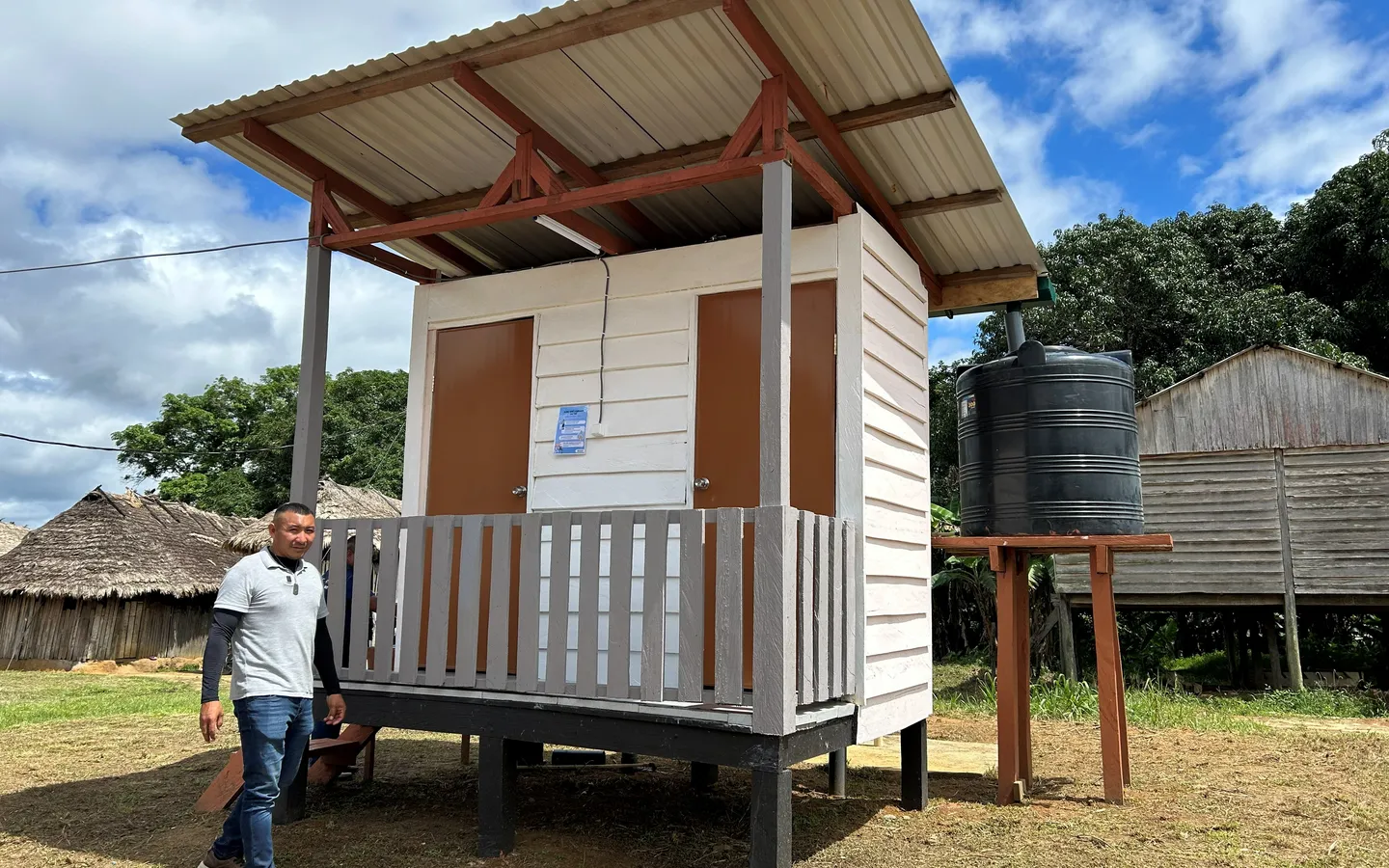
Access to safe, functional sanitation is an essential part of community wellbeing and dignity. In Kwamalasamutu, this project supported the Indigenous community by improving public sanitation facilities at key locations throughout the village.
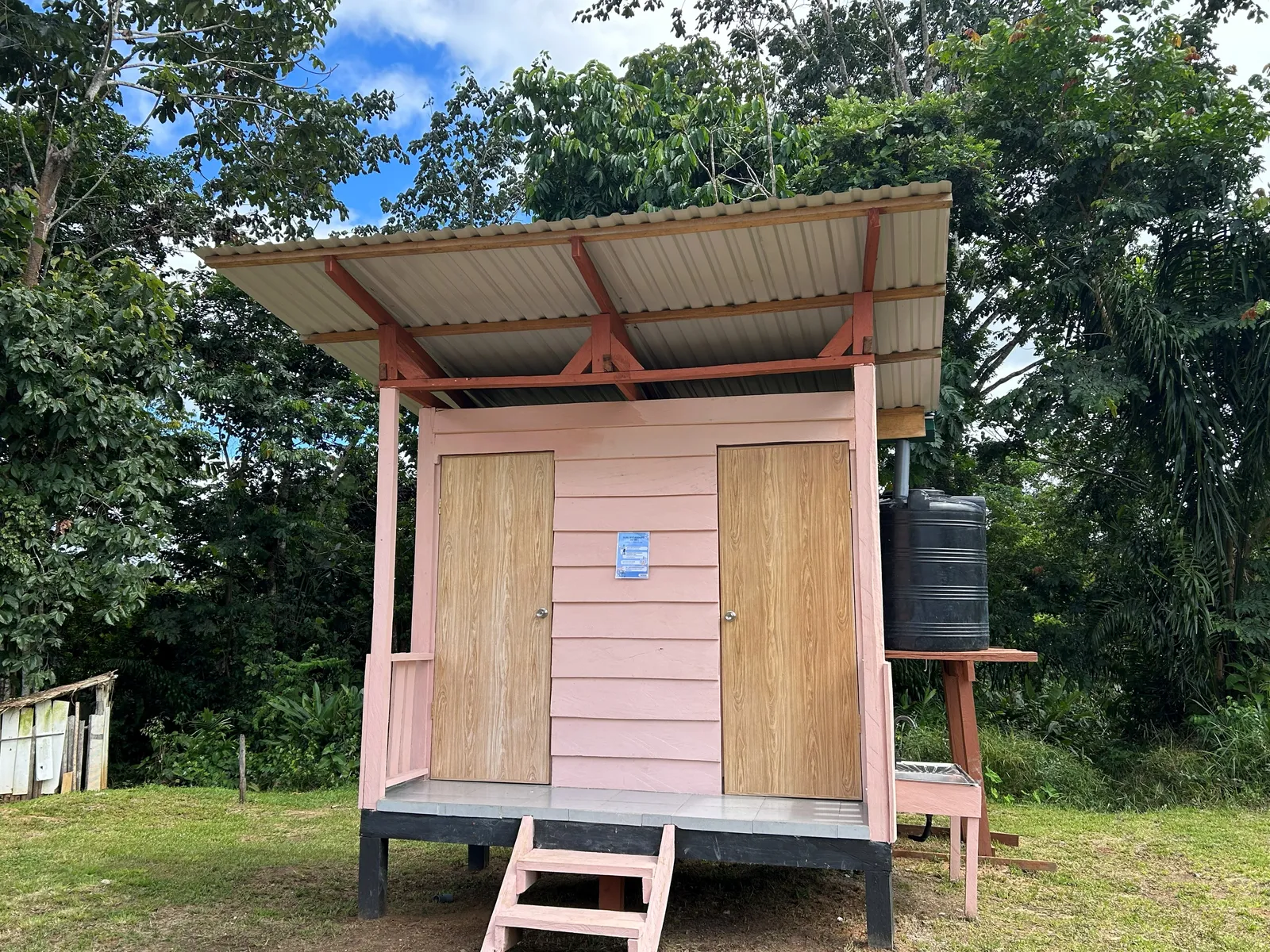
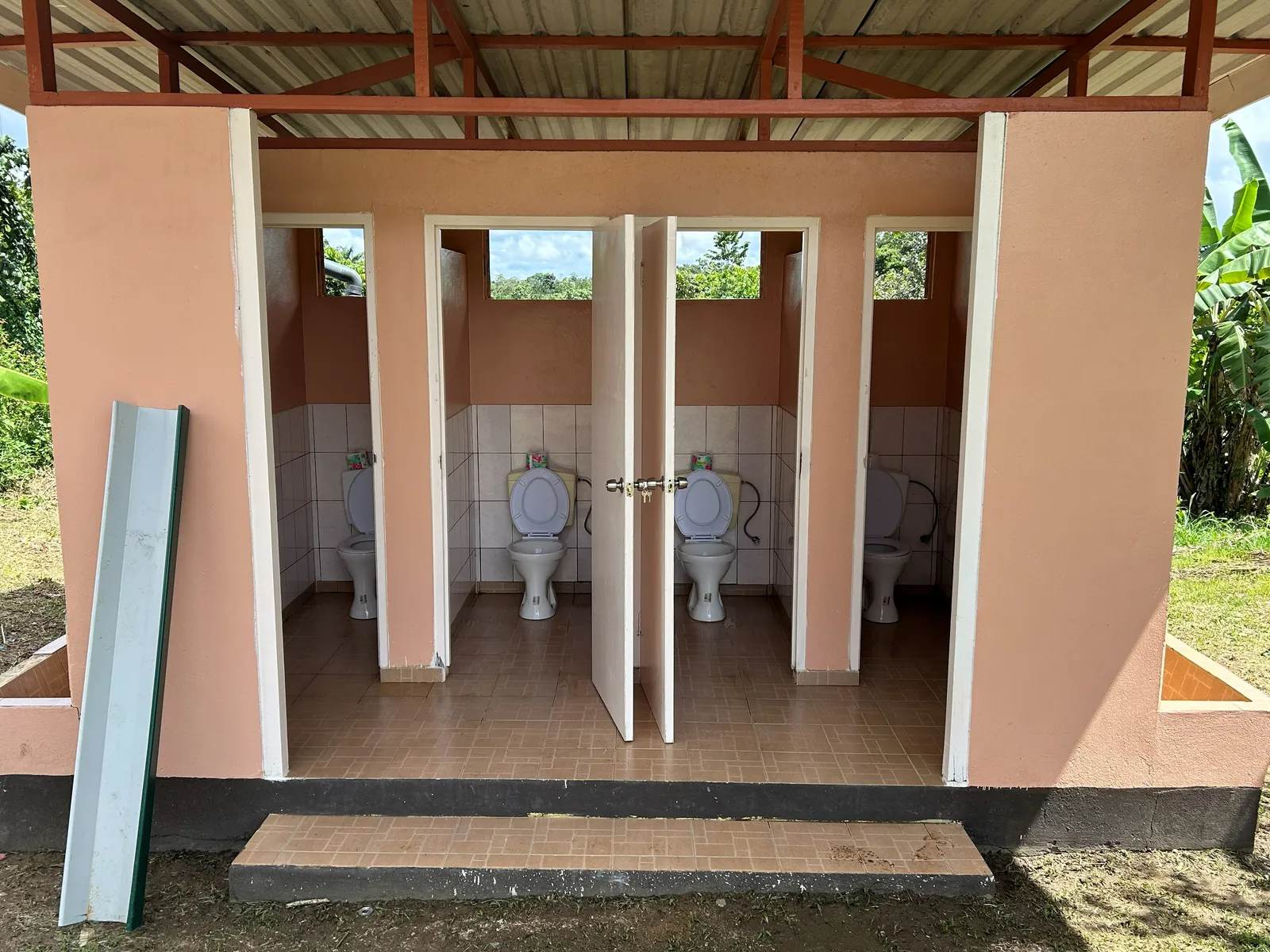
Over the course of the project, six public bathroom locations were delivered or upgraded, including new bathroom stalls and repairs to existing facilities at the old school, near the church.
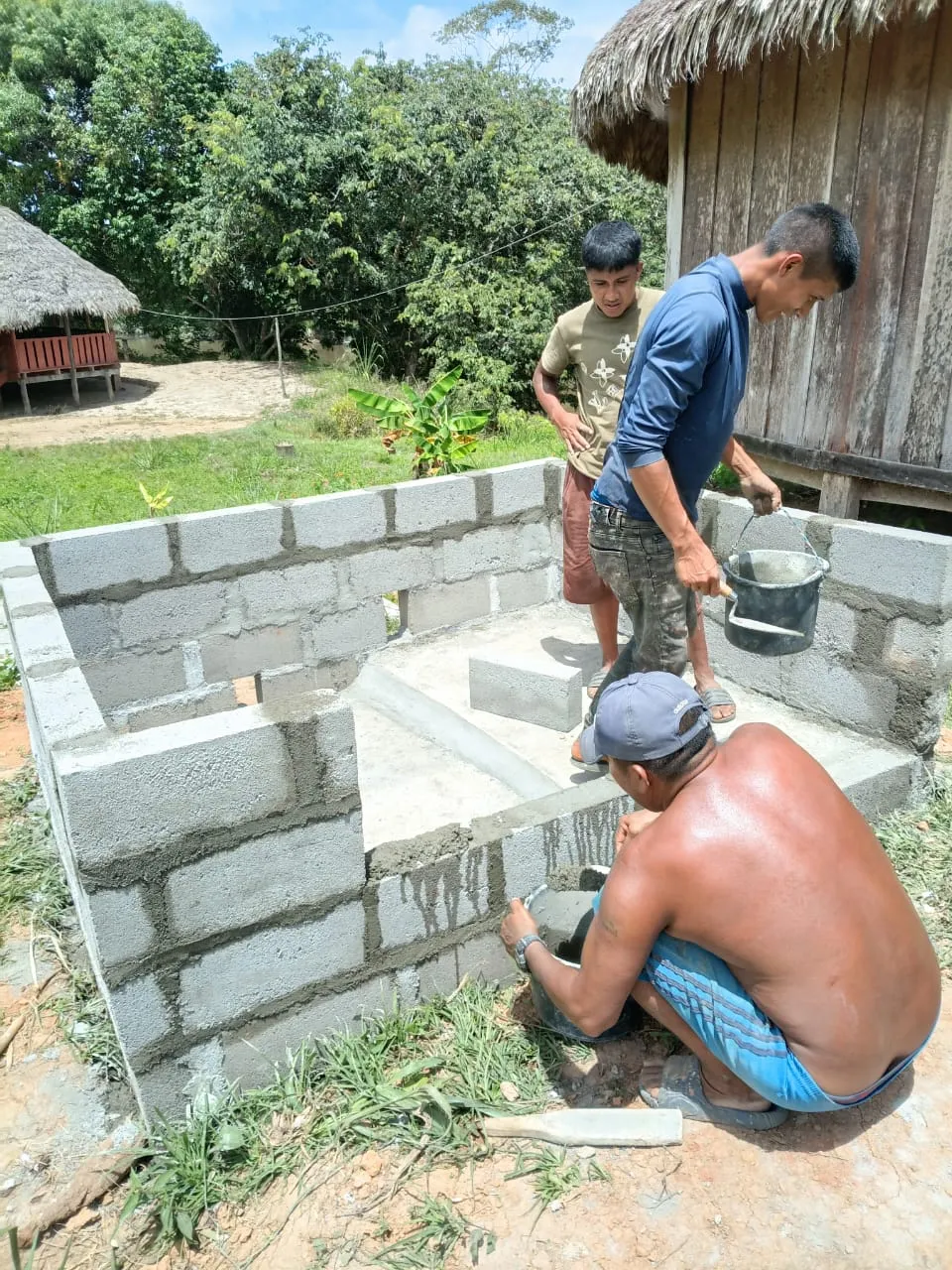
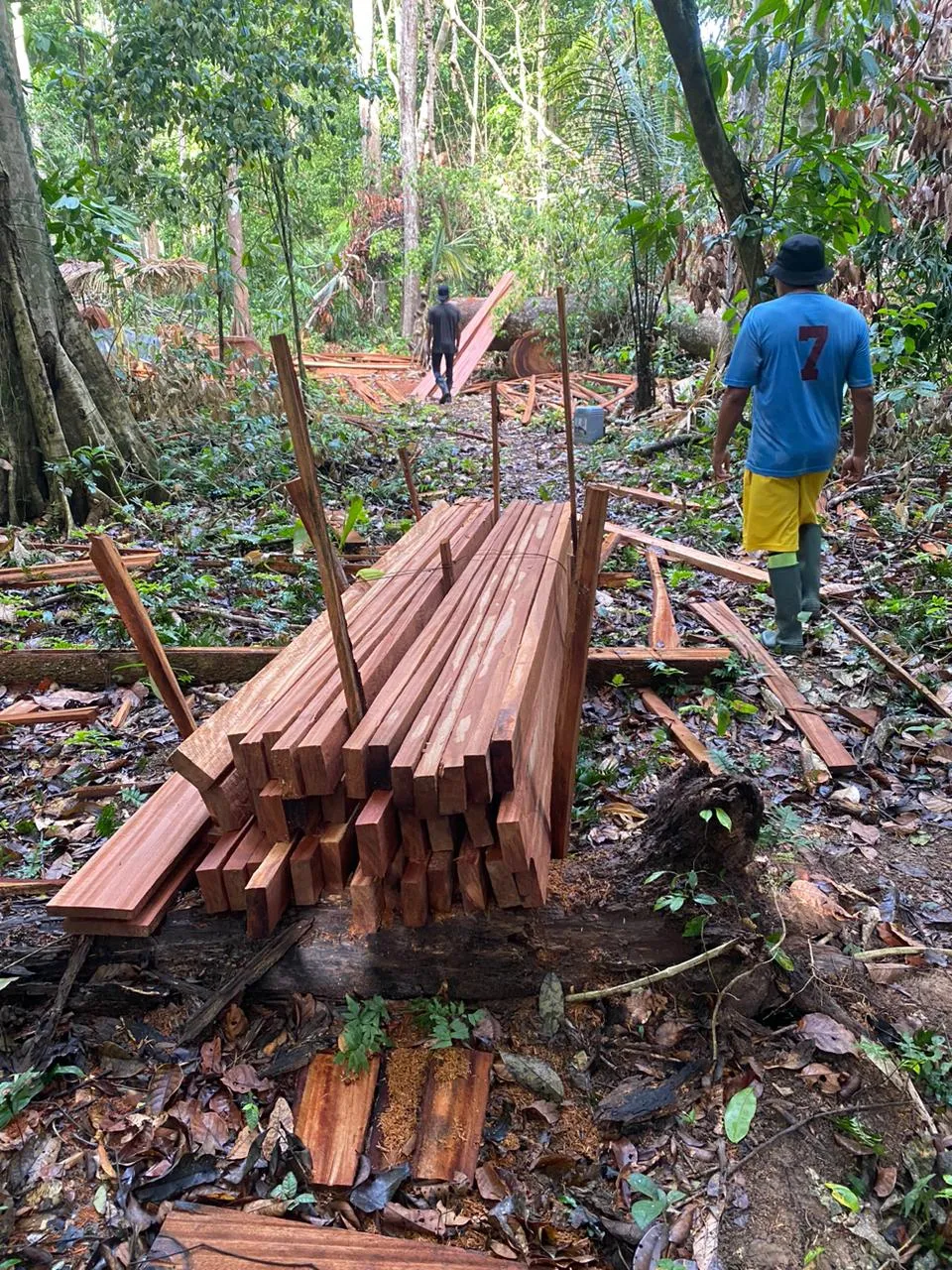
The project went beyond construction. Hygiene and water-saving information was placed in the public bathrooms in Tarëno and Dutch, cleaning supplies were provided, and a maintenance plan was developed together with Stichting Tewe. Local work teams carried out the construction, planning, the design, and worked with local materials. Their work hours were fully compensated, supporting local participation and ownership.
The project reflects a practical approach to community wellbeing: improving essential infrastructure while working with local authorities and community organisations to make sure the facilities can be maintained and used sustainably.
Financing through TotalEnergies EP Suriname B.V.
Contributors
No ambassadors are linked to this project yet.