Active
Strengthening Legal Recognition of Nature and Indigenous Rights
Building legal capacity to advance the rights of nature, Indigenous Peoples and future generations in Suriname.
Forest93 supports efforts to strengthen the legal frameworks that protect Suriname’s forests, biodiversity and the people who have safeguarded these ecosystems for generations. Through this project, Green Growth Suriname Foundation (GGS) works to build knowledge, capacity and collaboration around emerging legal approaches, particularly the rights of nature, Indigenous rights and the rights of future generations.
The project connects legal experts, civil society, Indigenous representatives and policymakers to explore how these rights can be recognised and protected in Suriname. It creates opportunities to exchange knowledge, understand international legal developments and translate these insights into practical steps towards stronger national legislation and accountability.
A key milestone within this broader capacity-building programme was the preparation and submission of a joint stakeholder report to the United Nations Human Rights Council’s Universal Periodic Review (UPR) of Suriname. The report brings together perspectives on Indigenous rights, the rights of nature and the rights of future generations, identifying opportunities to strengthen their recognition within Suriname’s legal and policy frameworks. Forest93 ambassadors supported the joint stakeholder report, contributing to the wider effort to bring these issues to the attention of national and international audiences.
The report, The Future of our Forefathers: A Legal Roadmap for the Recognition of Indigenous Rights and the Rights of Nature in Suriname, also provides a foundation for continued dialogue and advocacy. The UPR process is not an end in itself, but one part of a longer-term effort to strengthen legal capacity, promote nature-centred approaches to governance and ensure that the rights and knowledge of Indigenous Peoples are recognised in decisions affecting Suriname’s future.
By connecting local knowledge and priorities with international legal frameworks, UPR-53 contributes to Forest93’s broader ambition: ensuring that the value of Suriname’s forests and the rights of the people who depend on and protect them are better reflected in law, policy and practice.
How it unfolded
Exploring the rights of nature
Green Growth Suriname Foundation organised an online information session with Stichting Rechten van de Natuur on the rights of nature. Individual legislators, nature experts and Indigenous representatives were invited to participate and explore the implications of recognising nature as a rights-holder. One outcome of the session was the decision to prepare a stakeholder report for Suriname’s Universal Periodic Review at the UN Human Rights Council in Geneva in 2026. In the following months, a roadmap for preparing the report was developed and relevant information was gathered.
Stakeholder consultations in Suriname
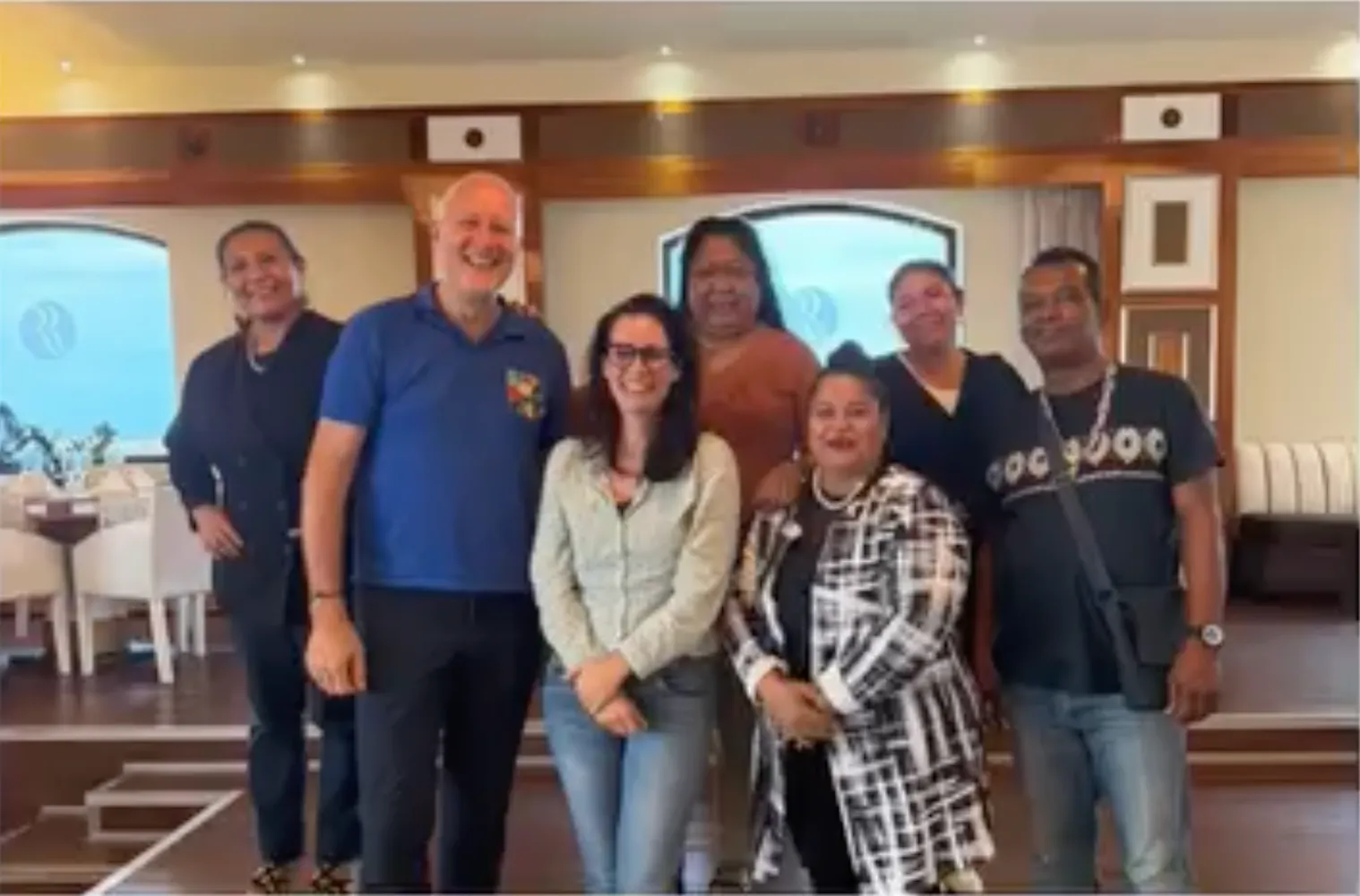
Lawyer Jan van de Venis of Stichting Rechten van de Natuur joined stakeholder sessions in Suriname to collect the final input for a joint stakeholder report addressing Indigenous rights, the rights of nature and the rights of future generations. These consultations brought together perspectives and expertise to help shape a shared contribution to the international human rights review process.
Submission of the stakeholder report
The joint stakeholder report was submitted to the Universal Periodic Review of Suriname. The report set out a legal roadmap for strengthening the recognition of Indigenous rights, the rights of nature and the rights of future generations. Forest93 ambassadors supported the joint report, helping advance the broader effort to connect nature conservation, human rights and legal reform.
Building Indigenous capacity in Earth Law
Five Indigenous women from Suriname received scholarships to participate in the Earth Law Summer Course organised by the Earth Law Center. The course provides learning opportunities on Earth Law and related legal approaches, including the rights of nature, ecocide and the legal responsibilities of humans towards the Earth. The scholarships form part of the project’s broader commitment to strengthening legal knowledge and capacity among Indigenous representatives, supporting their engagement in discussions about the laws and institutions that shape their territories, communities and futures.
Bringing Suriname’s perspectives to Geneva
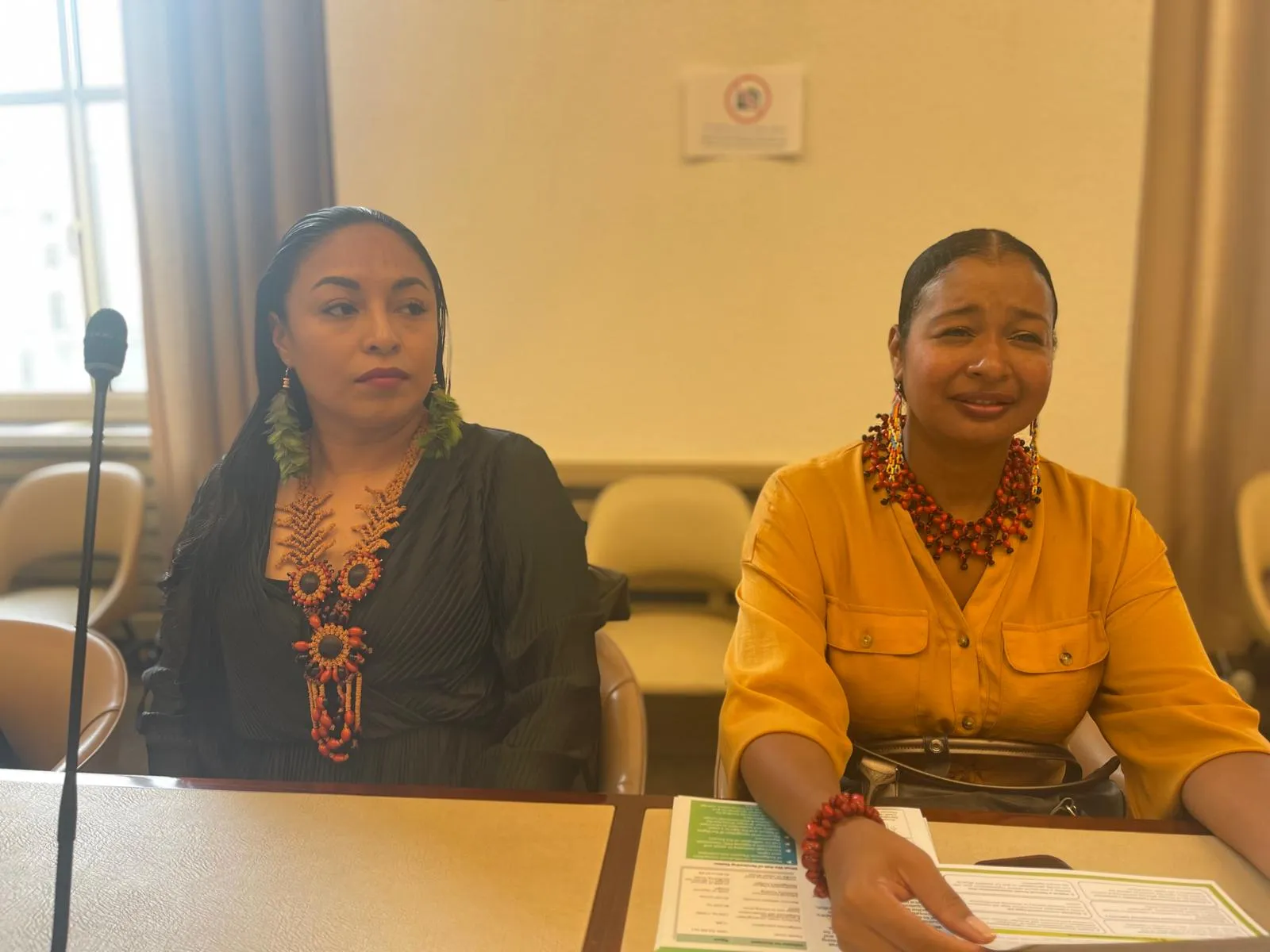
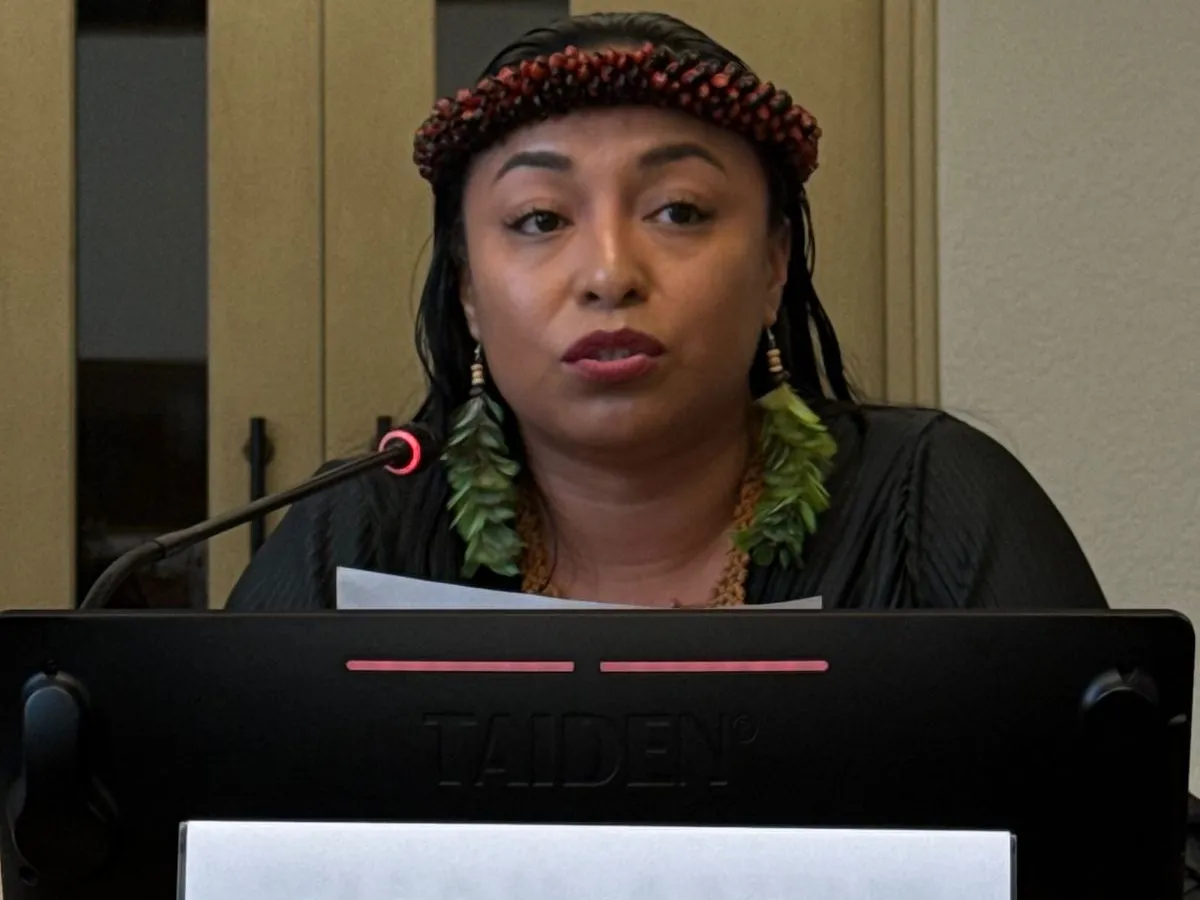
Ikihie presented the stakeholder report, The Future of our Forefathers: A Legal Roadmap for the Recognition of Indigenous Rights and the Rights of Nature in Suriname, at the pre-sessions at the Palais des Nations in Geneva, Switzerland. Speaking on behalf of the coalition of NGOs that submitted the report, Ikihie brought the coalition’s recommendations to an international audience. The delegation also held bilateral meetings with representatives of several countries to seek support for the issues and recommendations raised in the report. The presentation marked an important step in bringing Indigenous perspectives and proposals for legal recognition into international human rights discussions.
Contributors
The ambassadors who worked on this project, and what each of them did.
Sherlien Sanches
Supporter
Supported Ikihie in preparation for her address to the UPR 53 pre-sessions in Geneva.